
Las Vegas Boulevard has changed a lot since the 1940s. Many famous casinos have come and gone over the decades. But one property has managed to stay open longer than any other on the Strip.
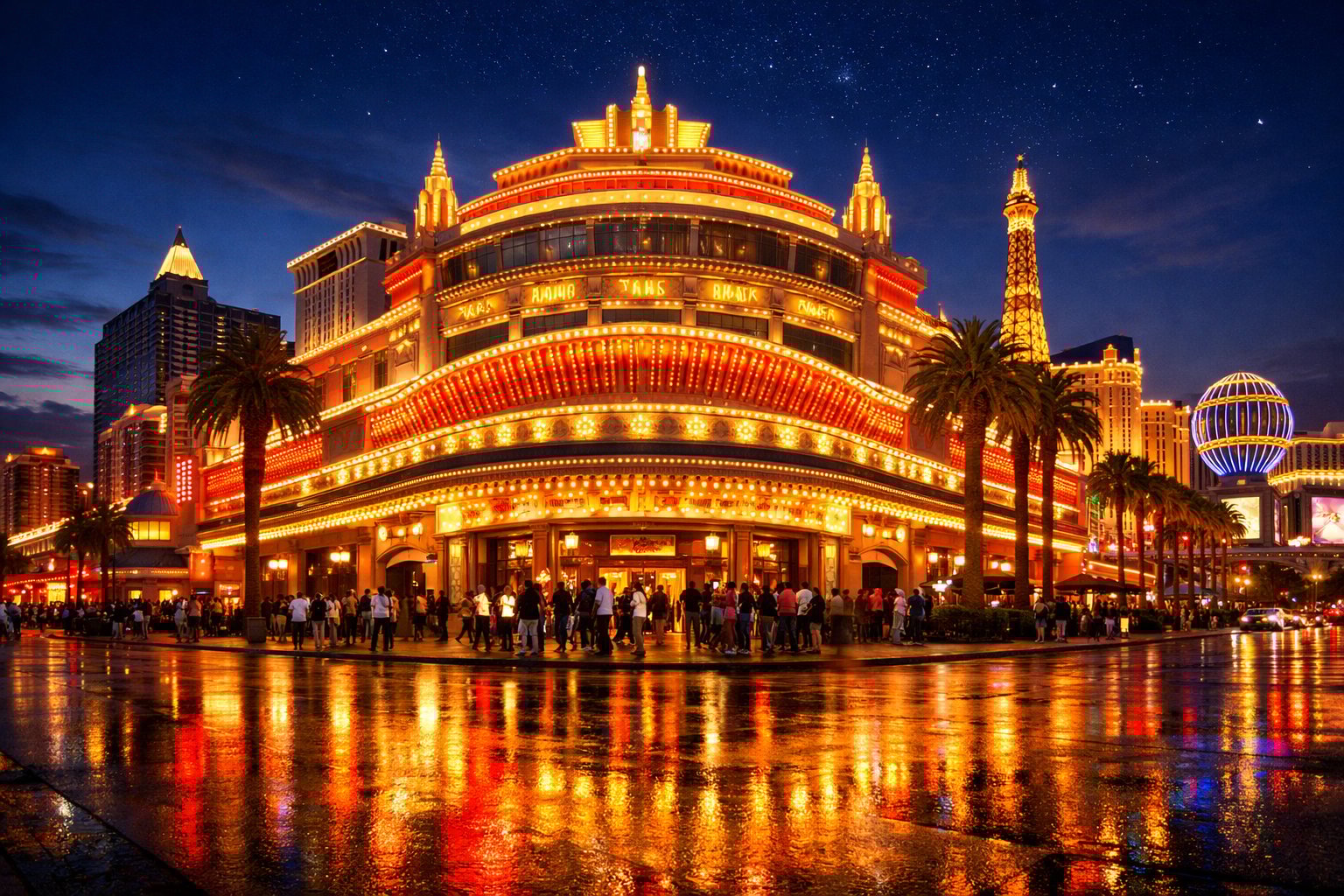
The Flamingo Las Vegas holds the title as the oldest continuously operating casino on the Las Vegas Strip, opening its doors on December 26, 1946. While it wasn’t the first casino built on what would become the Strip, it’s the only one from that early era still welcoming guests today. The property has survived nearly 80 years through constant updates and renovations.
You might wonder how the Flamingo outlasted other iconic casinos that seemed just as popular. The answer involves smart business decisions, well-timed renovations, and a willingness to adapt to changing tastes. Learning about the Flamingo’s history also means understanding the wider story of how Las Vegas transformed from a desert outpost into a world-famous entertainment destination.
Defining the Longest Surviving Casino on the Las Vegas Strip
The Flamingo Las Vegas holds the title of the longest surviving casino on the Strip, but understanding what this means requires looking at several key factors. The distinction involves more than just age or opening dates.
Understanding ‘Longest Surviving’ Versus ‘Oldest’
The terms “longest surviving” and “oldest” mean different things when you talk about Las Vegas casinos. The Flamingo opened in 1946, making it the oldest casino still operating on the Strip today. However, it wasn’t the first casino ever built there.
Two other resorts opened before the Flamingo on what would become the Las Vegas Strip. Those earlier properties no longer exist. The Flamingo is the oldest casino that has maintained continuous operation in the same location under the same name.
Golden Gate Hotel & Casino actually opened much earlier in 1906. But that casino sits in downtown Las Vegas, not on the Strip. This makes the Flamingo the Strip’s longest surviving casino by default, since all the casinos that came before it have closed.
Continuous Operation and Renovations
You might wonder if a casino that’s been completely rebuilt still counts as the same property. The Flamingo has undergone massive changes since 1946. The last original structure was demolished in 1993.
Despite these renovations, the property has never closed. The casino kept its name and location at the same address on Las Vegas Boulevard. This continuous operation is what matters most for the “longest surviving” designation.
The property received a $20 million pool renovation completed in May 2025. New restaurants opened in late 2024 and early 2025. These updates keep the Flamingo modern while maintaining its historic identity and unbroken operational history.
Distinguishing Strip From Downtown Casinos
The Las Vegas Strip and downtown Las Vegas are two separate areas with different casino histories. The Strip technically sits in Paradise, Nevada, not within Las Vegas city limits. Downtown Las Vegas contains Fremont Street and the older casino district.
Downtown casinos are generally older than Strip casinos. Golden Gate opened in 1906, and El Cortez has operated since 1941. Both predate the Flamingo by decades.
When you discuss the longest surviving casino, you must specify the Strip as your focus area. The Flamingo holds the record only for the Strip. Downtown properties claim the titles for oldest casinos in the greater Las Vegas area.
Flamingo Las Vegas: The Oldest Operating Casino on the Strip
The Flamingo Las Vegas holds the title as the oldest continuously operating casino resort on the Las Vegas Strip. It opened on December 26, 1946, and became the third resort to open in the area.
Opening and Early Years
The Flamingo’s casino first opened its doors on December 26, 1946. The opening was rushed and chaotic, with construction still incomplete and many amenities not yet finished.
The three-story hotel portion didn’t open until March 1, 1947, several months after the casino launch. Despite being called the “first” by many people, the Flamingo was actually the fifth casino and third resort on the Strip. El Rancho Vegas had already opened in April 1941, making it an earlier arrival to the area.
The Flamingo was designed as one of the first luxury resorts on what would become the Strip. It brought a new level of style and sophistication to Las Vegas gambling. The property quickly became known for its upscale atmosphere and entertainment options.
Mob Connections: Bugsy Siegel and Meyer Lansky
Bugsy Siegel played a major role in creating the Flamingo, though he wasn’t the original developer. He took over the project and pushed for a more lavish resort than initially planned.
Meyer Lansky and other organized crime figures provided much of the funding for the Flamingo. The construction costs spiraled out of control, reaching around $6 million, which was far beyond the original budget.
Siegel was killed by an unknown shooter in June 1947, just months after the hotel opened. His death remains one of Las Vegas’s most famous unsolved murders. The mob connections continued to influence the Flamingo’s operations for years after Siegel’s death.
Transformations and Modernization
You’ll find that the Flamingo has gone through numerous ownership changes since its opening. The property has been renovated and updated many times to stay competitive on the Strip.
The resort added live flamingos to its grounds in 1995, creating a wildlife habitat that connects to its name. Today, the property features a 28-story hotel with more than 3,400 rooms.
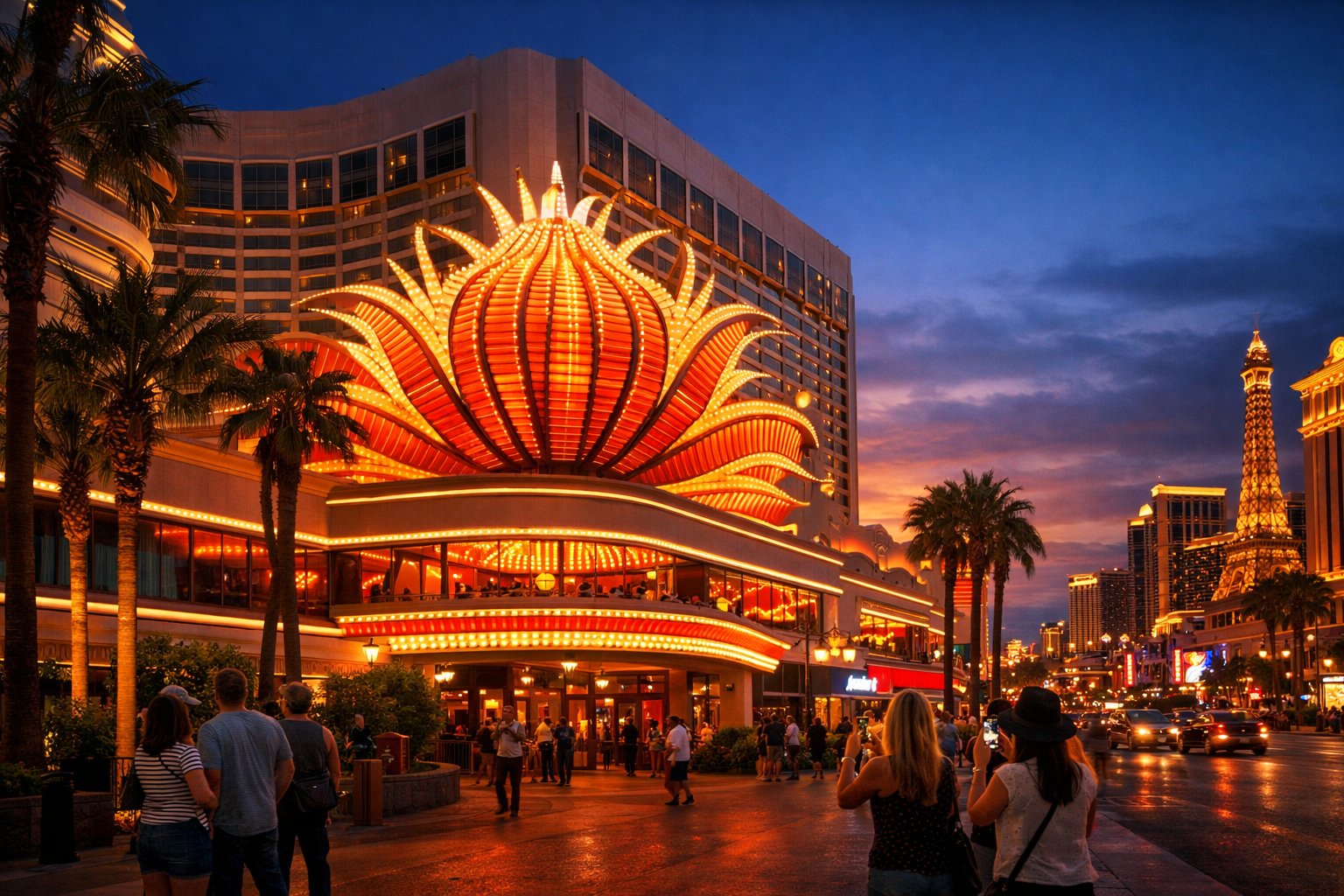
The Flamingo is currently owned by Caesars Entertainment and sits in the center of the Strip. Recent renovations have focused on modernizing the property while maintaining its historic significance. The resort’s bright pink neon exterior remains instantly recognizable to visitors.
Other Historic Strip Casinos With Enduring Legacies
Several Strip casinos have maintained their presence for decades, each contributing unique chapters to Las Vegas history. These properties have undergone transformations while preserving their connection to vintage Vegas.
Sahara Las Vegas: Past and Present
The Sahara originally opened in 1952 as one of the Strip’s early resort properties. It operated continuously for 59 years before closing in 2011.
The property sat vacant for three years before reopening as the SLS Las Vegas in 2014. This version struggled financially and changed hands again in 2018.
In 2019, the casino returned to its original Sahara name under new ownership. The rebranded property embraced its vintage roots while modernizing amenities for contemporary guests.
Today’s Sahara Las Vegas maintains architectural elements from its original mid-century design. You can still see remnants of the property’s classic signage and desert-themed decor throughout the casino floor.
Caesars Palace and Its Evolution
Caesars Palace opened in 1966 with a Roman theme that became instantly iconic. The property was the first Strip casino designed to evoke Italian luxury and opulence.
Over nearly 60 years, Caesars has expanded repeatedly while keeping its original concept intact. The Forum Shops, added in 1992, revolutionized casino retail by creating an upscale shopping destination.
The property still features its signature Roman statues, columns, and classical architecture. These design elements have influenced countless other casino properties worldwide.
Tropicana Las Vegas: A Tropical Icon
The Tropicana opened in 1957 as a luxury resort with a distinctive Miami Beach aesthetic. Its tropical theme and South Beach styling set it apart from other Strip properties.
The casino operated for 67 years as a Strip landmark. It featured a Cuban-influenced design with stained glass and vibrant colors throughout.
The Tropicana was demolished in October 2024 to make room for a new baseball stadium. This demolition eliminated one of the last remaining vintage casinos with original construction still standing on the Strip.
Strip Casinos That Shaped Las Vegas History
The LINQ and Circus Circus have both left lasting marks on the Strip through constant change and family-focused entertainment. These properties adapted to survive while other famous casinos from their era disappeared.
The LINQ and Its Many Transformations
The LINQ stands on a site with a long history of reinvention. The property opened in 1959 as the Flamingo Capri, a modest motel-casino that served budget-conscious visitors. It became the Imperial Palace in 1979, where it gained fame for its antique car collection that featured vehicles once owned by celebrities and historical figures.
Harrah’s Entertainment purchased the property in 2005. The casino underwent another major change in 2012 when it became The Quad, a transitional name during extensive renovations. By 2014, it reopened as The LINQ Hotel & Casino with a modern design and a focus on millennial travelers.
The property now connects to the High Roller observation wheel and the LINQ Promenade, an outdoor shopping and dining district. These additions transformed the space from a standalone casino into an entertainment complex. The multiple name changes and redesigns show how Strip properties must evolve to stay competitive in a changing market.
Circus Circus: Entertaining for Decades
Circus Circus opened in 1968 with a unique concept that combined casino gaming with family-friendly circus acts. The property featured acrobats, trapeze artists, and other performers entertaining guests above the casino floor throughout the day.
The casino added the Adventuredome indoor theme park in 1993. This 5-acre climate-controlled space includes roller coasters and carnival rides. The addition helped Circus Circus compete as Las Vegas shifted between adult-only and family-friendly marketing strategies.
The property remains one of the most affordable options on the Strip. It attracts budget travelers and families who want to experience Las Vegas without premium resort prices. While newer mega-resorts offer luxury amenities, Circus Circus maintains its original identity as an accessible entertainment destination that has operated continuously for over 55 years.
Comparing Downtown Legends and the Strip’s Oldest Casinos
Downtown Las Vegas holds the city’s true gambling heritage, with casinos predating the Strip by decades. The Golden Gate opened in 1906, followed by El Cortez in 1941, while the Strip’s oldest survivor, the Flamingo, didn’t arrive until 1946.
El Cortez Hotel & Casino: Downtown’s Oldest
El Cortez hotel and casino opened its doors in 1941 on Fremont Street. This makes it one of the oldest continuously operating casinos in Las Vegas. The casino has maintained much of its original character over the decades.
You’ll find better odds at el cortez compared to many Strip casinos. The property offers lower table minimums and slot machines with higher payback percentages. This follows the downtown tradition of catering to locals and budget-conscious gamblers.
El cortez hotel & casino has never undergone the massive renovations that transformed Strip properties. The vintage atmosphere remains intact, with classic gaming halls and old-school neon signage. The casino still operates with a focus on gambling rather than luxury amenities or entertainment shows.
Golden Gate Hotel & Casino: Birthplace of Vegas Gaming
Golden gate hotel & casino opened as Hotel Nevada in 1906, making it the oldest casino in Las Vegas. The property added gaming operations in 1931 when Nevada legalized gambling statewide.
You can still gamble in the same downtown location where Las Vegas gaming began over a century ago. The casino sits at One Fremont Street, the symbolic starting point of the city’s gambling industry. Golden Gate maintains its historic charm while offering modern slot machines and table games.
The property introduced the famous shrimp cocktail to Las Vegas in 1959. This $0.99 special became a Vegas legend and helped establish the city’s tradition of loss-leader food promotions. Golden gate hotel & casino remains family-owned, unlike the corporate mega-resorts dominating the Strip.
Fremont Street: The Historic Heart of Downtown
Fremont Street served as Las Vegas’s main gambling corridor long before the Strip existed. The street became home to the city’s first paved road, first traffic light, and first casino. Downtown las vegas built its reputation here through the 1940s and 1950s.
You’ll discover that fremont street casinos typically offer better gambling value than Strip properties. The slot payback percentages run higher, and table game minimums stay lower. This pricing strategy reflects downtown’s focus on gambling rather than resort amenities.
The Fremont Street Experience now covers five blocks with a LED canopy and pedestrian mall. Yet the area retains historic casinos like El Cortez, Golden Gate, and Binion’s that preserve old Vegas character.
How These Casinos Have Maintained Their Legacy
The longest-surviving Strip casinos have balanced historic preservation with strategic modernization, protecting signature elements while upgrading infrastructure. They’ve maintained relevance through selective renovations, brand reinventions, and by positioning their vintage character as a competitive advantage rather than a liability.
Preserving Vintage Appeal
Caesars Palace and Circus Circus have protected specific architectural elements that define their brand identity. Caesars maintains its Roman statuary, iconic porte-cochère, and classical architecture despite adding modern towers. The property preserved the Garden of the Gods pool complex and Forum Shops’ classical design elements that tourists expect.
Circus Circus kept its distinctive pink-and-white striped big top, the midway with carnival games, and free circus acts under the main tent. These signature features cost money to maintain but provide authenticity that newer properties can’t replicate. The property knows its vintage carnival atmosphere appeals to multi-generational families and budget travelers.
Both casinos protect their most photographed and recognizable elements. Caesars’ replica David statue and fountains remain unchanged since the 1960s. Circus Circus’s neon clown sign continues operating as a Strip landmark. These preserved features create instant recognition and nostalgia that supports brand loyalty across decades.
Renovations and Brand Revitalization
Strategic room renovations have kept both properties competitive without erasing their identity. Caesars invested billions in tower additions like Octavius and Palace while upgrading older Julius and Forum towers with modern amenities. The casino floor received technology updates including digital gaming and sports betting while maintaining its Roman theme.
Circus Circus completed a $30 million renovation of its Adventuredome indoor theme park and upgraded older hotel towers. The property added modern slot machines and table game technology while keeping the vintage circus theme intact. New restaurants and bars attract younger demographics without eliminating budget-friendly options that built the original customer base.
Both properties expanded gaming offerings to match modern trends. Caesars added tournament poker rooms, expanded race and sports books, and integrated mobile betting. Circus Circus introduced modern video poker banks and electronic table games alongside traditional carnival-style slots that maintain vintage character.
Cultural Influence on Modern Las Vegas
These survivors shaped industry standards that newer casinos still follow. Caesars Palace pioneered the mega-resort concept, combining casino, entertainment, shopping, and dining under one roof. Every modern Strip property copies this integrated resort model that Caesars invented in 1966.
The properties influenced Las Vegas’s entertainment culture directly. Caesars established the Colosseum showroom model, where headliners perform extended residencies rather than one-night shows. Artists from Celine Dion to Adele have used this format that Caesars created. Circus Circus proved family-friendly attractions could coexist with casino gambling, paving the way for properties like Excalibur and Luxor.
Their longevity demonstrates that distinctive theming outlasts generic luxury. Newer casinos often lack memorable identity, while Caesars’ Roman theme and Circus Circus’s carnival atmosphere remain instantly recognizable worldwide. This brand clarity built over decades provides marketing advantages that new properties spend millions trying to create artificially.
Frequently Asked Questions
The Flamingo Las Vegas holds the title as the oldest casino still operating on the Las Vegas Strip since 1946. Several other aspects of Strip history, from celebrity connections to property transformations, reveal how Las Vegas evolved into the entertainment destination it is today.
What is the oldest casino still in operation on the Las Vegas Strip?
The Flamingo Las Vegas is the oldest casino still operating on the Las Vegas Strip. It opened its doors on December 26, 1946.
The casino was the first luxury resort-style property on the Strip. While other casinos existed in Las Vegas at the time, the Flamingo’s opulent design and resort concept set it apart from anything else in the city.
None of the original structures from 1946 remain at the property today. The last original building was torn down in 1993. However, the bright pink neon lights and splashy signage continue to honor the hotel’s history.
Which casino has the richest history on the Las Vegas Strip?
The Flamingo Las Vegas has one of the richest histories on the Strip due to its connections to both Hollywood glamour and organized crime. Publisher Billy Wilkerson originally dreamed up the resort but ran out of money during construction. He brought on mobster Bugsy Siegel as a business partner, though Siegel quickly took control of the project.
The casino attracted major performers from its earliest days. Opening night featured Rose Marie, and the property soon welcomed stars like Jimmy Durante and Judy Garland. Elvis Presley filmed his 1964 movie “Viva Las Vegas” at the Flamingo, which brought national attention to the hotel.
Wayne Newton had his first headlining show at the Flamingo in 1963. He still performs there today, maintaining a residency with three shows per week nearly 80 years after the casino opened.
How has the ownership of the Tropicana Las Vegas evolved over the years?
The Tropicana is noted as the third-oldest casino on the Strip. Its closure was announced, marking the end of an era for one of the Strip’s historic properties.
The Tropicana’s history reflects the pattern of many Las Vegas casinos that changed ownership multiple times throughout the decades. Many iconic casinos had dubious ownership in their early years, often financed by organized crime through Teamsters Union pension funds.
Are there any major events that have occurred at the Flamingo Hotel in Las Vegas?
Bugsy Siegel’s murder in July 1947 stands as one of the most notorious events connected to the Flamingo. Mob boss Meyer Lansky allegedly ordered the hit after Siegel racked up millions in debt and couldn’t recoup his losses after the casino opened.
Elvis Presley’s filming of “Viva Las Vegas” at the Flamingo in 1964 brought significant national attention to the property. The movie featured the hotel’s pool area and helped cement Las Vegas’s reputation as an entertainment destination.
The hotel underwent a major $20 million renovation of its pool complex, which debuted in May 2025. Three new restaurants opened in the past year, including offerings from Gordon Ramsay and Lisa Vanderpump, marking a new chapter in the property’s nearly 80-year history.
What significant changes have occurred to the Tropicana Las Vegas property throughout its history?
The Tropicana’s historic skyline changed appearance every few decades throughout its operation. Its closure removes the third-oldest casino from the Strip, reflecting the ongoing transformation of Las Vegas Boulevard.
The Strip’s tendency to rebrand and remodel properties means that many iconic casinos have either disappeared or changed completely over time. The Tropicana’s evolution followed this pattern common among Las Vegas properties.
Which casino on the Vegas Strip is known for attracting the most celebrity visitors?
The Flamingo attracted Hollywood royalty from its opening in 1946. The resort was specifically designed to entice guests, especially those from the entertainment industry, to visit for extended stays.
Billy Wilkerson’s background as publisher of The Hollywood Reporter gave him connections to bring celebrity performers to the property. This Hollywood connection remained central to the Flamingo’s identity throughout its history.
The property currently features modern celebrity connections through its restaurants. Lisa Vanderpump’s Pinky’s opened in December 2024, and Gordon Ramsay Burger opened in January 2025 as the chef’s seventh Las Vegas restaurant.